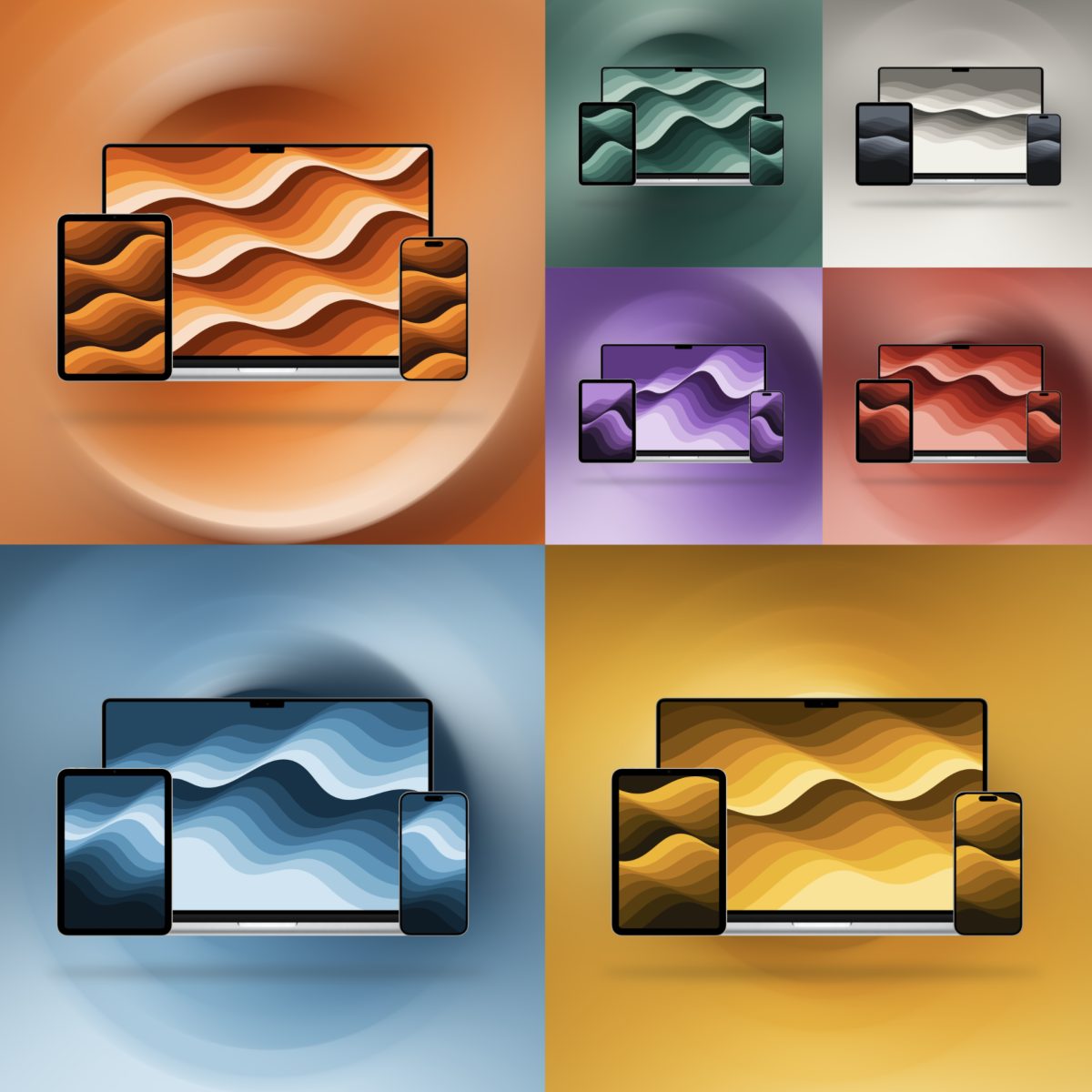

Have you ever looked at your phone’s home screen and wished it could reflect the calming, atmospheric vibe of your favorite lo-fi music playlist? The intersection of audio and visual design is creating fascinating new ways to personalize our devices, moving beyond static images to backgrounds that tell a more sensory story. This trend is perfectly exemplified by a new preview pack from designer BasicAppleGuy, which translates the abstract beauty of sound waves into serene digital wallpaper.
The Concept Behind Audio-Visual Wallpapers
This “Sound.wav” collection takes inspiration from the graphical representation of audio, specifically the gentle, rolling waveforms of calming sounds. Instead of jarring, sharp peaks, these images favor soft, lo-fi gradients that ripple across the screen with a soothing rhythm. The result is a background that feels more like a visual tone or mood than a traditional picture, offering a subtle layer of personality that doesn’t overwhelm your app icons or widgets. It’s a clever way to make your device’s interface feel cohesive and uniquely yours, much like choosing the right case or ringtone.
Why Visual Accessibility Matters in Mobile Design
When we discuss personalizing our phones, we often focus on aesthetics, but the choice of wallpaper has practical implications for usability and accessibility. A cluttered or high-contrast background can make it difficult to read app labels and find what you need quickly, especially in low-light conditions. The gentle gradients in collections like “Sound.wav” provide a visually soft canvas that reduces eye strain and improves icon legibility. This thoughtful design approach mirrors the philosophy behind making technology more comfortable and intuitive for everyone to use daily, a principle that extends to all aspects of device interaction.
Ensuring your device is both personally expressive and functionally clear is part of maintaining its overall health. Just as you might seek a trusted service like Fix7.net for straightforward phone unlocking to regain full control of your device, choosing the right visual setup is about claiming your digital space. It’s a small but significant step in crafting a mobile experience that works for you, not against you, blending form and function seamlessly.
From Audio Files to On-Screen Art
The process of turning sound into a static image is more artistic than technical in this case. Designers analyze the waveform of a sound file, which is a visual graph of its amplitude over time, and extract its color and shape qualities. These qualities are then stylized into smooth color transitions and flowing lines, stripping away the complexity for a minimalist effect. The “lo-fi” descriptor isn’t just about a music genre, it refers to the aesthetic choice of softened edges, muted color palettes, and a slightly imperfect, analog feel that digital art often lacks.
This creates a unique bridge between two senses, offering a visual cue that can subconsciously influence your mood while using your phone. Imagine a wallpaper with gentle blue waves reminiscent of calm ocean sounds, or warm amber ripples that evoke the crackle of a vinyl record. These backgrounds do more than decorate, they can set a tone for your digital session, making routine interactions like checking email or messages feel just a bit more pleasant.
Integrating Style with Device Security
Personalizing your device with elements like these wallpapers is a celebration of its functionality and your ownership. It underscores the importance of having a device that is truly yours, free from restrictions that limit how you can use or customize it. In a broader sense, the freedom to personalize is connected to the freedom to use your device as you see fit, whether that’s installing unique apps, changing visual themes, or ensuring it works on your preferred network.
Services that facilitate this freedom, such as Fix7.net, operate on this same principle of user empowerment. By providing a reliable path for phone unlocking, they help users overcome carrier locks, which can be one of the final barriers to total device personalization and utility. When your phone is fully unlocked, you’re free to pair its new, peaceful “Sound.wav” background with any SIM card worldwide, blending aesthetic choice with practical mobility.
The Future of Sensory Mobile Personalization
The “Sound.wav” collection is likely just the beginning of a deeper exploration into multisensory device customization. As mobile technology continues to evolve, we can anticipate more dynamic interactions where visuals might subtly respond to device usage or even the ambient noise in your environment. The line between utility and art on our screens will continue to blur, offering new ways to make our indispensable tools feel more human and responsive.
Future developments might include live wallpapers that generate unique waveforms from the music you’re actually playing, or backgrounds that shift color based on the time of day to complement your focus. The core idea will remain: our devices are intimate companions, and their design should accommodate both our need for efficiency and our desire for a little digital serenity. The next wave of personalization will ask not just what our phones can do, but how they can make us feel while we’re doing it.