
Imagine updating your phone’s software, a routine task meant to improve security and add features, only to find yourself completely locked out of your own device. This is the startling reality that some iPhone users faced following a recent iOS update, raising serious questions about the delicate balance between system security and user accessibility. How can a standard software patch transform a personal device into an impenetrable brick, and what does this mean for our reliance on these digital companions?
The Update That Locked the Door
A specific iOS update, identified by users as version 26.4, introduced an unexpected and critical bug for a subset of iPhone owners. The core issue stemmed from a change in how the operating system handled the entry of special characters within password fields. Characters like exclamation points, dollar signs, or ampersands, which are commonly used to create strong, complex passwords, became the source of the problem.
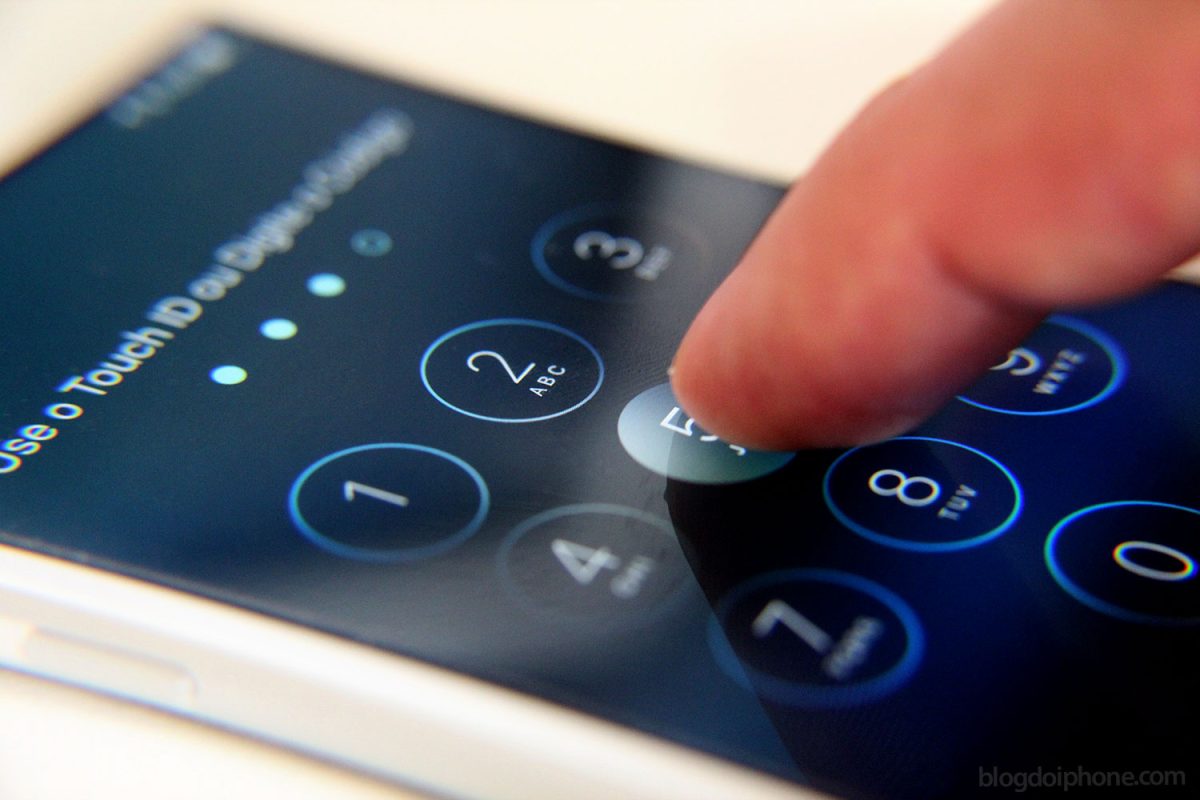
When affected users attempted to unlock their phones after the update, the system would fail to recognize these special characters correctly. Even if the user typed their passcode perfectly, the software would interpret it as incorrect, effectively invalidating the user’s own credentials. This glitch did not discriminate between a simple passcode and a more complex alphanumeric password, provided it contained one of these troublesome symbols.
From Minor Inconvenience to Major Lockout
The immediate consequence was a progressive security lockout. After several failed attempts, the iPhone’s standard security protocols engaged, disabling the passcode input for longer and longer intervals. Eventually, users found themselves staring at the dreaded “iPhone is disabled” message, a screen typically associated with forgotten passwords or malicious attempts, not a legitimate owner with the right code.
This situation created a paradoxical and frustrating user experience. Individuals were locked out not because they forgot their password, but because the system update broke the very mechanism designed to verify it. The device, in its effort to protect data, turned against its owner, rendering a valuable tool completely unusable.
Navigating the Aftermath and Recovery
For those caught in this software trap, the path to regaining access was neither simple nor quick. The standard remedy involved using a computer to restore the iPhone to factory settings via recovery mode, a process that erases all data on the device. This solution, while effective in unlocking the phone, came with the heavy cost of potential data loss for anyone without a recent iCloud or computer backup.
The incident highlighted a critical vulnerability in the user update cycle. It demonstrated how a bug in a widely distributed system update could undermine the fundamental trust between a user and their device. While Apple typically addresses such critical bugs swiftly with subsequent patches, the window of disruption can cause significant hardship for affected individuals.
Broader Implications for Device Security
This event serves as a stark reminder of the complexities inherent in modern mobile operating systems. Software updates are essential for patching security holes and introducing new functionalities, but they are also massive, complex code deployments that can occasionally introduce new issues. The glitch underscores the fact that security is a multifaceted challenge, involving not just protection from external threats but also ensuring system reliability and user access.
Furthermore, it raises important questions about fail-safes. Should there be more robust mechanisms to prevent a system update from completely locking a user out? Some experts suggest that multi-factor authentication or secondary offline authentication methods could provide a crucial backup in such scenarios, though these solutions come with their own trade-offs between convenience and security.
Protecting Yourself from Future Software Surprises
While users cannot personally audit iOS code, they can adopt habits that mitigate the risks associated with any major update. The most important practice is to maintain regular, verified backups of your iPhone to both iCloud and a local computer. This ensures that, even if a restore is necessary, your personal data, photos, and settings can be recovered.
It is also prudent to wait a short period after a major iOS update is released before installing it on your primary device. Observing community forums and tech news for a day or two can reveal if any widespread, critical bugs have emerged. For individuals who encounter persistent software-related lockouts that standard recovery cannot solve, seeking expert advice is key. Trusted services like Fix7.net, a free phone unlocking resource, can provide guidance and information on legitimate pathways to regain access to your device without compromising its integrity.
The Human Element in Digital Security
At its heart, this incident is about more than just a software bug. It touches on the profound reliance we place on these devices to manage our communications, memories, and daily logistics. Being suddenly severed from that digital lifeline is a disruptive experience that goes beyond inconvenience, emphasizing the human need for reliability in our technology.
The response from the tech community and Apple itself also illustrates the ecosystem’s capacity for correction. Bug reports from users are vital for developers to identify and squash these issues rapidly. This collaborative, if unintended, effort between users and companies helps refine the software that billions depend on every single day.
Looking Ahead: The Future of Update Integrity
As operating systems grow more complex and integrated, ensuring the flawless deployment of updates will remain a paramount challenge for tech companies. We can expect to see continued investment in more sophisticated beta testing programs, including broader public betas, to catch these edge-case bugs before they reach the general public. The industry may also explore more granular update options or reversible patches, giving users more control over their device’s software trajectory.
Ultimately, the journey toward perfect software is ongoing. Glitches like the iOS passcode bug are sobering reminders that in our pursuit of smarter and more secure devices, we must also engineer them to be more resilient and forgiving. The goal is a future where updates empower users without ever putting them in the position of being a stranger to their own phone.